Most people don’t wake up one morning planning to learn about urology. It usually starts with a mild discomfort you ignore for weeks, or a test report that doesn’t quite look right. Maybe it’s a kidney stone that keeps coming back, or a urinary issue that’s embarrassing to talk about, even with family. Suddenly, you’re Googling symptoms at midnight, trying to make sense of medical words you never thought you’d need to know.
That’s often how the journey toward urology care begins in India—quietly, a little nervously, and with a lot of unanswered questions.
Urology is one of those medical specialties that sits right at the intersection of physical health and emotional well-being. Problems related to the kidneys, bladder, prostate, or urinary tract don’t just cause pain; they disrupt routines, confidence, sleep, and sometimes relationships. And because many of these conditions are sensitive by nature, people delay seeking help longer than they should. By the time they reach a doctor, they’re not just looking for treatment. They’re looking for reassurance.
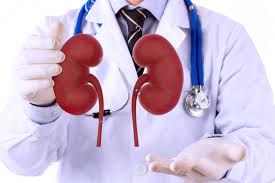 Over the years, India has become a strong destination for specialized medical care, and urology is no exception. Today, a Urology Hospital In India ↗ can offer everything from basic diagnostic tests to complex robotic surgeries. The change didn’t happen overnight. It came through years of investment in infrastructure, training, and technology, combined with a growing awareness among patients that these problems are common—and treatable.
What makes urology care in India particularly interesting is its range. On one end, you have advanced tertiary hospitals in metro cities with cutting-edge equipment and internationally trained specialists. On the other, you’ll find well-run regional hospitals where experienced doctors handle high patient volumes with remarkable skill. This mix means patients have options, which is both empowering and confusing. Choice is good, but only if you know how to navigate it.
Technology has played a big role in shaping modern urology treatment. Procedures that once required large incisions and long hospital stays are now often done using minimally invasive or laser-based techniques. Recovery times are shorter. Pain is better managed. Patients are back on their feet sooner. For someone juggling work, family, and daily responsibilities, that matters more than glossy hospital ads ever could.
But here’s the thing people don’t always talk about: good urology care isn’t just about machines or techniques. It’s about conversations. A doctor who takes the time to explain why a problem is happening. A nurse who answers the same question twice without making you feel foolish. A follow-up call that checks how you’re really doing, not just how the report looks. These small human moments often make the biggest difference in how patients remember their treatment.
When people search for the Best Urology Hospital In India ↗ , they’re often hoping to find certainty in a sea of information. Rankings, reviews, and awards can help, but they don’t tell the full story. The “best” hospital for one person might not be the best for another. Someone with a simple urinary infection needs something very different from a patient facing prostate cancer or chronic kidney disease. Context matters.
There’s also a cultural shift happening, slowly but noticeably. Topics like men’s health, fertility issues, and age-related urological conditions are being discussed more openly than before. Younger patients are asking smarter questions. Older patients are less willing to accept discomfort as “normal aging.” This change has pushed hospitals and doctors to adapt, offering more patient education, counseling, and long-term care plans instead of quick fixes.
Affordability, of course, remains part of the conversation. While India is known for cost-effective healthcare compared to many countries, advanced urology treatments can still be expensive for some families. The good news is that many hospitals now offer transparent pricing, insurance support, and phased treatment plans. It’s not perfect, but it’s improving—and that’s worth acknowledging.
One overlooked aspect of urology care is recovery and lifestyle adjustment. Surgery or medication is often just one chapter of the story. Diet changes, fluid intake, stress management, and regular follow-ups play a huge role in preventing recurrence. The hospitals that stand out tend to be the ones that emphasize this long-term view, treating patients as partners rather than passive recipients of care.
In the middle of all this, patients are learning to trust their instincts again. If a consultation feels rushed, they seek a second opinion. If something doesn’t make sense, they ask. This growing confidence is a healthy sign, and it’s reshaping how urology care is delivered across the country.
At the end of the day, choosing urology care in India isn’t about finding perfection. It’s about finding competence mixed with compassion. It’s about feeling safe enough to talk honestly about something that affects your daily life. And it’s about knowing that help is available, closer than you might think.
Health problems have a way of humbling us. But they can also remind us of the value of good care, thoughtful doctors, and systems that are slowly learning to put people first. In that sense, the evolution of urology care in India isn’t just a medical story—it’s a human one.