There’s a strange kind of silence that comes with joint pain. Not the peaceful kind — the awkward, careful silence where you pause before standing up, or calculate how far you can walk before discomfort kicks in. It creeps in slowly. One day it’s a stiff knee in the morning. Another day it’s a hip that refuses to let you sit comfortably through a movie. Over time, movement stops being automatic and starts becoming a decision.
Most people don’t rush into hospitals at the first sign of joint trouble. We adapt. We adjust. We postpone. But when pain begins to interfere with work, family life, or sleep, that’s when orthopaedic care enters the conversation for real.
India has, over the years, built a quiet but solid reputation in this space. Not because it claims to be perfect — but because it delivers dependable results for a wide range of patients. A well-established Orthopaedic Hospital In India ↗ today often blends experience with restraint. Surgeons don’t jump straight to the scalpel. They evaluate, question, test, and explain. At least, the good ones do.
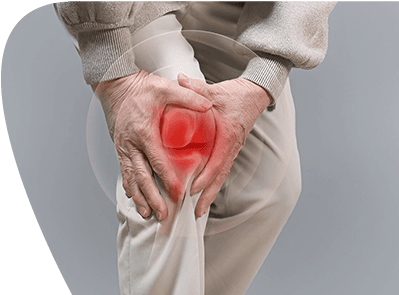 Orthopaedics isn’t just about bones lining up neatly on X-rays. It’s about how people live. How they sit, walk, climb stairs, kneel for prayers, carry groceries, or play with their grandchildren. Pain in joints doesn’t announce itself loudly — it just slowly rearranges daily life. And that’s why choosing the right care matters more than people realize.
Joint replacement surgery, especially, tends to scare people. The idea of replacing a part of your body with metal and ceramic isn’t exactly comforting. There’s fear around pain, recovery time, mobility, and whether things will ever feel “normal” again. These concerns are valid. Surgery isn’t a miracle — it’s a process.
The hospitals that handle this well understand that fear. They don’t rush conversations. They talk about timelines honestly. They explain that recovery isn’t linear — some days will feel great, others frustrating. That transparency builds trust, and trust plays a huge role in healing.
When people talk about finding the Best Orthopaedic Hospital For Joint Replacement ↗ , they often focus on technology first. Robotics. Advanced implants. Navigation systems. All of that matters — but only up to a point. Technology supports skill; it doesn’t replace it. A surgeon’s experience, judgment, and decision-making during unexpected moments are far more important than any machine in the operating room.
India’s strength in joint replacement lies partly in volume. Surgeons here often perform hundreds of knee and hip replacements every year. That kind of repetition builds confidence and consistency. It also sharpens instincts — knowing when to proceed, when to pause, and when not to operate at all.
Equally important is what happens after surgery. Rehabilitation is not an afterthought. Or at least, it shouldn’t be. Hospitals that invest in strong physiotherapy programs tend to see better outcomes. Early mobilization, guided exercises, pain control, and realistic goal-setting can make the difference between a smooth recovery and a frustrating one.
Many patients are surprised by how involved recovery is. Surgery might take a few hours, but healing stretches across weeks and months. Good orthopaedic centres prepare patients for this mentally. They explain that progress comes in stages — first standing, then walking with support, then regaining strength and confidence.
One overlooked factor in joint health is lifestyle. Weight management, posture, muscle strength — these all influence how long a joint replacement lasts. Ethical hospitals talk about these things openly. They don’t promise a pain-free life forever. They talk about care, discipline, and maintenance.
India has also become a hub for international patients seeking joint replacement. Cost plays a role, of course. Procedures here can be significantly more affordable than in many Western countries. But affordability alone wouldn’t matter if outcomes weren’t reliable. The fact that patients travel thousands of miles for surgery says something about the trust built over time.
That said, choosing a hospital shouldn’t be based on reputation alone. Personal fit matters. The way a doctor listens. The clarity of explanations. The willingness to answer uncomfortable questions. A good consultation doesn’t feel rushed or rehearsed. It feels like a conversation.
Patients should ask practical questions:
How many similar surgeries have you performed?
What does recovery realistically look like for someone my age?
What complications should I be aware of?
What support is available after discharge?
The way these questions are answered often reveals more than the answers themselves.
It’s also worth remembering that surgery isn’t always necessary. Many orthopaedic conditions respond well to conservative treatment — physiotherapy, lifestyle changes, medications, injections. Hospitals that explore these options before recommending surgery usually prioritize patient welfare over numbers.
Joint pain has a way of shrinking lives quietly. People stop doing things they love without even noticing when it happened. A morning walk becomes rare. Travel plans feel intimidating. Social gatherings become tiring. Over time, confidence fades.
Successful joint replacement doesn’t just restore movement — it restores choice. The choice to walk without planning every step. To sit comfortably. To move without fear. That sense of control is what most patients are really seeking.
India’s orthopaedic care ecosystem continues to grow — not just in size, but in maturity. Better training, better infrastructure, and more informed patients are slowly reshaping standards. It’s not flawless, but it’s improving in meaningful ways.
In the end, choosing orthopaedic care is a deeply personal decision. Rankings and reviews help, but intuition matters too. When a hospital treats you like a person instead of a procedure, it shows.