It usually starts small. A dull ache after a long workday. A stiffness that makes you stretch a little longer in the morning. You tell yourself it’s normal — everyone has back pain these days, right? Maybe it’s the office chair. Maybe it’s age creeping in. So you adjust, adapt, push through.
Until one day, you can’t.
Back pain has a way of quietly taking up space in your life. It changes how you sit, how you sleep, even how you think. Simple things — tying your shoes, driving for an hour, playing with your kids — suddenly require planning. And that’s when you realize your spine isn’t just part of your body. It’s the backbone of your daily existence. Literally.
Over the last decade or so, Spine Treatment In India ↗ has transformed in ways that many people don’t fully appreciate. What once felt intimidating and uncertain now feels structured, specialized, and surprisingly accessible. But navigating it? That still requires a little clarity.
Why Spine Problems Are Becoming So Common
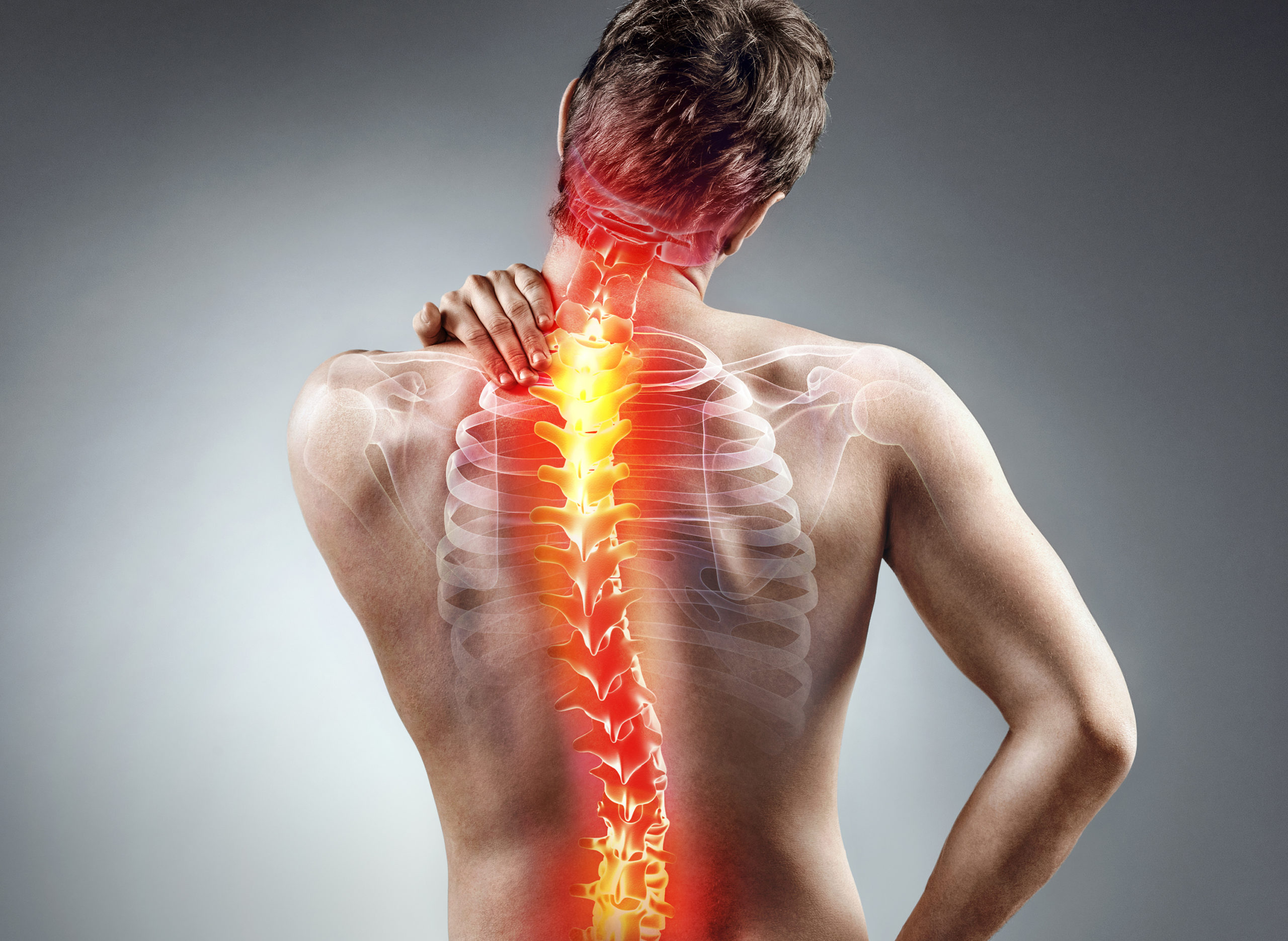 Modern life hasn’t been particularly kind to our backs. Long hours at desks. Endless scrolling on phones. Commutes that stretch longer each year. Even our downtime often involves sitting — binge-watching shows, working on laptops, hunched over screens.
Our spines, designed for movement, end up stuck in static positions.
It’s no surprise that conditions like herniated discs, sciatica, spinal stenosis, and degenerative disc disease are being diagnosed more frequently — and not just in older adults. Young professionals in their thirties are walking into clinics with chronic back pain. College students complain of posture-related strain. Fitness enthusiasts sometimes overtrain without proper technique.
The body gives warnings. Persistent pain lasting more than a few weeks. Tingling or numbness down the legs. Weakness in the arms. These aren’t just “bad days.” They’re signals.
Ignoring them doesn’t make them disappear.
The Good News: Treatment Has Evolved
There’s a common fear that spine treatment automatically means surgery. That’s rarely true. In fact, many spine issues improve with conservative care — physiotherapy, targeted exercises, medication, lifestyle changes, and sometimes guided spinal injections.
The spine is strong. Given the right support, it often recovers.
When surgery becomes necessary, though, it’s no longer the overwhelming ordeal it once was. Minimally invasive techniques have changed the game. Smaller incisions, less muscle damage, reduced blood loss, and faster recovery times. In leading centers, patients are encouraged to walk within a day of surgery. That alone speaks volumes about progress.
Technology has stepped in too. Robotic-assisted systems enhance precision. High-resolution imaging allows surgeons to plan meticulously. Intraoperative neuromonitoring protects delicate nerves during procedures. It’s not futuristic fantasy — it’s everyday reality in many advanced hospitals now.
Choosing Care Without Being Overwhelmed
Finding the right Spine Hospital in India ↗ can feel daunting at first. A quick search online produces endless options, each claiming excellence. It’s easy to get lost in bold headlines and impressive statistics.
So what actually matters?
First, look for a multidisciplinary approach. Spine health isn’t one-dimensional. Orthopedic spine surgeons, neurosurgeons, neurologists, physiotherapists, and pain specialists should ideally work together. Real collaboration leads to balanced treatment decisions.
Second, transparency. A trustworthy hospital explains your condition clearly. It outlines risks honestly. It doesn’t rush you toward surgery if other options exist. In fact, the best specialists often emphasize non-surgical methods first.
Third, experience. Ask how many similar cases the surgeon has handled. Ask about recovery timelines. Ask about complications. Clear answers — not evasive ones — build confidence.
And don’t underestimate how you feel during consultation. If you feel heard, that matters.
Rehabilitation: Where Real Recovery Happens
Surgery, when required, is just one chapter. Rehabilitation writes the rest of the story.
Physiotherapy strengthens the muscles supporting your spine. It corrects imbalances. It retrains posture. Without consistent rehab, even a technically perfect surgery won’t deliver optimal results.
Recovery isn’t linear. Some days feel like major progress. Others feel like setbacks. That’s normal. Healing tissues need time. Muscles need patience. What matters most is steady, guided effort.
Many modern spine programs now integrate rehabilitation from the very beginning. Some even provide ergonomic counseling — because returning to the same poor habits can undo all that progress.
India’s Growing Reputation in Spine Care
India has steadily built a global reputation in specialized medical care, and spine treatment is no exception. International patients often travel here for advanced procedures at comparatively affordable costs. Surgeons trained in global institutions bring experience and updated techniques.
Major cities like Delhi, Mumbai, Chennai, Hyderabad, and Bengaluru house highly advanced spine units. But quality care is spreading beyond metros too. Smaller cities are investing in better infrastructure and specialist teams.
Accessibility has improved. Teleconsultations make second opinions easier. Diagnostic technology is more widely available. The system isn’t perfect — no healthcare system is — but it’s evolving.
Prevention Still Deserves Attention
As impressive as modern treatment options are, prevention remains underrated.
Strengthening your core muscles reduces strain on spinal discs. Maintaining a healthy weight minimizes pressure. Taking breaks from prolonged sitting helps more than you think. Adjusting your workstation ergonomically can prevent years of discomfort.
Even something as simple as lifting heavy objects correctly — bending at the knees instead of the waist — protects your spine over time.
Small habits don’t look dramatic. But they’re powerful.
The Emotional Side of Spine Issues
Chronic back pain affects more than movement. It impacts mood. It affects sleep. It chips away at independence. People often feel frustrated — even defeated — when simple tasks become difficult.
I’ve heard patients say they felt older overnight when their spine condition worsened. That emotional weight is real.
But so are recovery stories. People returning to work confidently. Walking without pain. Resuming hobbies they thought they’d given up for good. Spine care today isn’t just about eliminating pain; it’s about restoring quality of life.
A Thought to Carry With You
Your spine supports you through everything — from long workdays to quiet evenings at home. It holds you upright through stress, celebration, exhaustion, and joy.
If it starts asking for attention, listen.
Modern spine care in India combines technology, expertise, and increasingly compassionate approaches. Whether your path involves physiotherapy, minimally invasive surgery, o