Back pain has a quiet way of taking over your life. It doesn’t usually arrive with drama. It starts as a small complaint — a dull ache after work, stiffness in the morning, that odd pinch when you bend to tie your shoes. You tell yourself it’s nothing. Maybe it is. But sometimes it isn’t.
The spine is one of those things we don’t think about until it demands attention. It holds us upright, lets us twist and stretch, protects the spinal cord — basically keeps the whole show running. And yet, in the rush of everyday life, we ignore it. Long hours at desks. Slouching over phones. Lifting things the wrong way. It adds up.
In recent years, conversations around Spine Treatment In India ↗ have grown louder — and for good reason. The country has made serious progress in specialized spine care. Not just in metro cities, but increasingly across emerging medical hubs as well. Advanced surgical techniques, better diagnostics, and a more patient-focused approach are slowly reshaping how spine disorders are treated.
But let’s pause for a second. Not every back problem needs surgery.
Understanding When It’s Serious
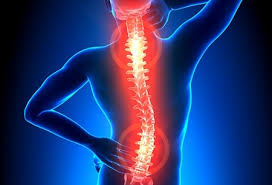 Most back pain episodes are mechanical. Muscle strain. Poor posture. Minor disc irritation. These often respond well to rest, physiotherapy, posture correction, and a little patience. The body, surprisingly, knows how to heal if we give it space.
The red flags are different. Persistent pain lasting more than a few weeks. Pain radiating down the leg or arm. Numbness, tingling, muscle weakness. Difficulty walking or balancing. Those signs deserve attention from a spine specialist.
Conditions like herniated discs, spinal stenosis, degenerative disc disease, scoliosis, and spinal fractures require careful evaluation. And this is where expertise matters. Not guesswork. Not random advice from internet forums.
How Spine Care Has Evolved
Spine medicine isn’t what it used to be. A decade ago, spine surgery often meant large incisions, extended hospital stays, and long recovery periods. Today, minimally invasive techniques dominate many procedures. Smaller cuts. Less tissue damage. Faster rehabilitation.
Robotic-assisted spine surgery is also gaining ground in leading centers. It allows surgeons to place implants with extreme precision. Intraoperative neuromonitoring helps protect delicate nerves during procedures. High-resolution MRI and CT scans provide detailed insight before a single incision is made.
And yet, the best specialists will still say this: surgery is usually the last resort.
Conservative treatment options — targeted physiotherapy, guided spinal injections, medications, lifestyle adjustments — remain the first line of defense. A good doctor doesn’t rush you to the operating table. They walk you through choices.
The Importance of Choosing the Right Hospital
Finding the right Spine Hospital in India ↗ can feel overwhelming. A quick search online gives you dozens of options, all claiming to be the best. But flashy marketing isn’t the same as reliable care.
Look for hospitals that offer comprehensive spine programs. That means multidisciplinary teams — orthopedic spine surgeons, neurosurgeons, neurologists, physiotherapists, pain management experts. Spine disorders don’t exist in isolation. They affect nerves, muscles, posture, mental well-being.
Accreditation matters. Experience matters more. Ask how many similar procedures the surgeon has performed. Ask about complication rates. Ask what recovery realistically looks like. Honest answers are a good sign.
And don’t underestimate the power of communication. If a doctor takes time to explain your condition in plain language, that’s worth something. Medical jargon might sound impressive, but clarity builds trust.
Why Patients From Abroad Choose India
Medical tourism has quietly boosted India’s reputation in spine care. Patients from Africa, the Middle East, Southeast Asia, and even Western countries travel here for treatment. The reasons are practical — advanced technology combined with comparatively affordable costs.
But cost alone isn’t the full story. Many Indian spine surgeons have trained internationally and bring global experience back home. Hospitals now offer dedicated international patient services, making the process smoother from consultation to post-operative follow-up.
Still, thorough research is essential. Every case is unique. What works for one patient may not suit another.
Rehabilitation: The Often Ignored Hero
Surgery, when necessary, is only part of the journey. Recovery depends heavily on rehabilitation. Structured physiotherapy strengthens supporting muscles. It improves flexibility. It retrains posture. Without it, even a technically successful surgery may not deliver the desired outcome.
Recovery isn’t linear. Some days feel great. Others feel stiff and frustrating. That’s normal. The spine heals in its own time.
And sometimes, the mental side of recovery is just as important. Chronic pain can wear down resilience. Good spine programs acknowledge this. Emotional reassurance and steady guidance make a difference.
Prevention Is Still Underrated
We talk about treatment more than prevention, which is ironic. A few consistent habits can protect your spine for years.
Strengthen your core muscles — not just abs, but deeper stabilizing muscles. Maintain a healthy weight to reduce strain. Take breaks if you sit for long hours. Adjust your workstation ergonomically. Lift objects by bending your knees, not your back.
And sleep matters more than people realize. A supportive mattress and proper pillow alignment can ease chronic strain.
It’s not glamorous advice. But it works.
The Emotional Weight of Spine Problems
Back pain isn’t just physical discomfort. It changes your relationship with movement. You hesitate before lifting your child. You decline weekend trips. You worry about the future.
I’ve heard patients say they felt “older overnight” when their spine condition worsened. That loss of confidence can be heavier than the pain itself.
But here’s the hopeful part — most spine conditions are treatable. Even complex cases have solutions today that didn’t exist twenty years ago. With timely intervention and proper care, many patients return to active, fulfilling lives.
Making the Decision
If you’re considering spine treatment, don’t rush. Gather information. Consult specialists. Weigh conservative options before surgical ones. Choose experience over advertisements.
Most importantly, listen to your body. Persistent pain isn’t something you have to normalize.
A Final Thought
Your spine carries you through life’s routines — morning walks, long workdays, late-night conversations, travel, laughter, stress. It quietly supports every chapter.
When it starts to struggle, it’s not a sign of weakness. It’s a signal for attention.
Modern spine care in India has evolved into a blend of advanced technology, skilled hands, and increasingly compassionate approaches. Whether your solution lies in physiotherapy, minimally invasive surgery, or lifestyle adjustments, options exist.