Health has a funny way of forcing us to slow down. You can ignore a backache or brush off fatigue, but when it comes to urological problems—pain, discomfort, or something just not feeling right—it quickly becomes personal. Quietly stressful. For many people in India, the search for good urology care begins not with confidence, but with questions. Who do I trust? Where do I go? And will I actually be heard?
India’s healthcare landscape has changed dramatically over the past two decades. What was once limited to a handful of metro cities has now expanded into a nationwide network of specialty hospitals, trained doctors, and modern technology. Urology, in particular, has seen rapid growth, partly because people are finally talking about issues they used to hide. Kidney stones, prostate concerns, urinary infections, fertility problems—these are no longer whispered topics. They’re medical realities, and they deserve proper care.
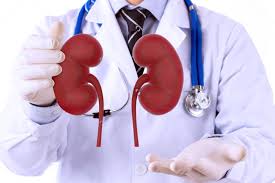 At its core, urology isn’t just about organs or surgical procedures. It’s about quality of life. Anyone who’s dealt with chronic urinary pain or repeated infections knows how draining it can be. Sleep suffers. Work gets harder. Even simple social plans start to feel complicated. That’s why choosing a Urology Hospital In India ↗ isn’t just a technical decision—it’s an emotional one too. You’re not just picking a building or a brand. You’re choosing people who will guide you through something deeply personal.
One of the strengths of urology care in India is the diversity of expertise available. From minimally invasive stone removal to advanced robotic surgeries for prostate and kidney cancers, the range is impressive. Many hospitals now offer laser treatments, endoscopic procedures, and day-care surgeries that allow patients to recover faster and get back to normal life sooner. But technology alone isn’t the whole story. The best outcomes usually come from a mix of experience, empathy, and good communication—qualities that don’t show up on a brochure.
It’s also worth noting how accessible urology care has become. Earlier, patients often had to travel long distances to major cities for specialized treatment. Today, well-equipped urology departments exist in tier-2 and tier-3 cities as well. This shift matters. It means earlier diagnosis, fewer delays, and less stress for families. It also reflects a broader change in how healthcare is being delivered—closer to home, and more focused on the patient’s overall experience.
When people search online for the Best Urology Hospital In India ↗ , they’re usually not just comparing rankings. They’re looking for reassurance. They want to know that the doctors are skilled, yes, but also that they’ll explain things clearly. That they won’t rush through appointments. That they’ll consider non-surgical options when possible, and be honest when surgery is necessary. In many ways, trust has become the most valuable currency in healthcare.
Another encouraging trend is the growing emphasis on holistic care. Urology doesn’t exist in isolation. Conditions like diabetes, heart disease, or hormonal imbalances often overlap with urological issues. Leading hospitals now take a more integrated approach, working closely with nephrologists, oncologists, endocrinologists, and even mental health professionals when needed. This kind of collaboration may sound obvious, but it makes a real difference in outcomes—and in how patients feel during treatment.
Of course, no system is perfect. Costs can still be a concern, especially for advanced procedures. Waiting times vary. And not every hospital lives up to its marketing. That’s why personal research matters. Talk to people who’ve been treated. Read patient stories, not just testimonials. Ask questions during consultations—about alternatives, recovery time, long-term effects. A good doctor won’t mind. In fact, they’ll probably welcome it.
What often gets overlooked in these conversations is recovery. Treatment doesn’t end when the procedure is over. Follow-up care, lifestyle advice, and emotional support are just as important. The better urology centers in India understand this. They invest time in counseling, post-treatment monitoring, and patient education. They know that healing is a process, not a single event.
In the end, choosing where to seek urology care in India is about balance. Clinical excellence matters, but so does comfort. Advanced machines are impressive, but a calm, respectful conversation can be just as powerful. As patients, we’re learning to expect both—and rightly so.
If there’s one quiet positive to take away from all this, it’s that people no longer have to suffer in silence. Good urology care is available, evolving, and increasingly patient-focused. And sometimes, that knowledge alone is enough to make the first step feel a little less daunting.